BreezeBio Raises $60M to Put Its Organ-Targeting Gene Delivery Tech to the Test
BreezeBio is advancing from a delivery-focused model toward building an internal pipeline of genetic medicines, with initial indications in type 1 diabetes, autoimmune disease, and oncology. BreezeBio also continues its multi-year collaboration and licensing agreement with Genentech, a member of the Roche Group. The company previously achieved an initial milestone under that agreement and indicated that ongoing research and development activities are progressing.
The South San Francisco–based company is moving its lead autoimmune program, BRZ-101 for type 1 diabetes, into IND-enabling studies.
Lead clinical program
BRZ-101 is designed to restore immune tolerance in type 1 diabetes. In this disease, the body mistakenly attacks insulin-producing cells. The therapy uses mRNA to instruct certain immune cells to produce specific diabetes-related proteins, along with additional signals meant to calm the immune response.
These immune cells then “show” those proteins to T cells in a way that teaches them not to attack. The goal is to generate specialized regulatory T cells that block the harmful autoimmune reaction while leaving the rest of the immune system working normally. In animal studies, including the non-obese diabetic mouse model, the treatment reportedly reduced autoimmune activity and was tolerated in both mice and non-human primates. The company is now preparing the program for first-in-human testing through IND-enabling studies.
The underlying technology is BreezeBio’s proprietary NanoGalaxy nanoparticle delivery platform, which combines a library of synthetic, non-lipid nanoparticles designed to carry genetic medicines such as mRNA, siRNA, or DNA to specific tissues in the body. Unlike many standard lipid nanoparticles that tend to accumulate in the liver, these hydrophilic polymer particles are engineered to reach other organs, including immune cells, heart, lung, and brain.
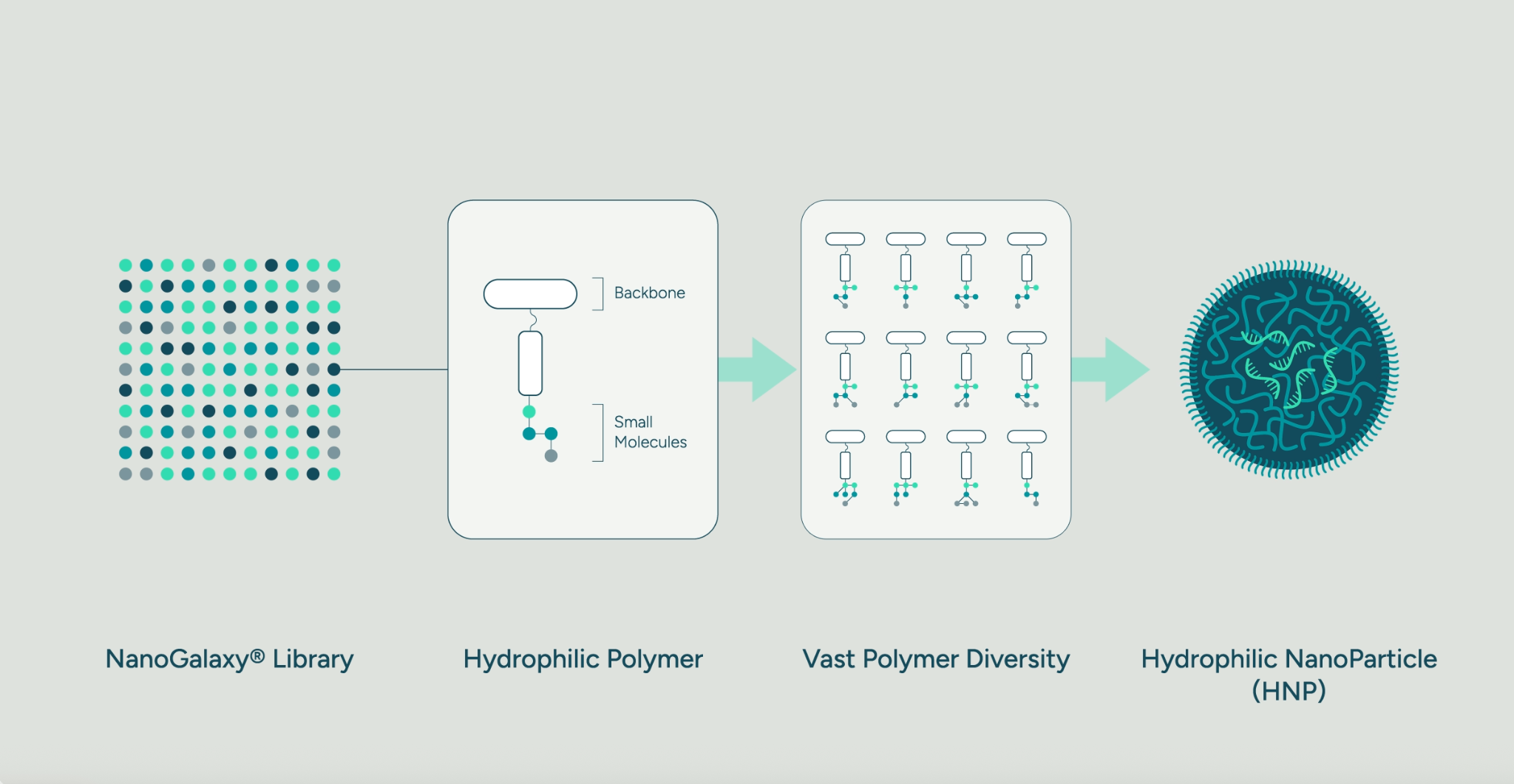
Image credit: BreezeBio
The company uses AI-based analysis to study how changes in nanoparticle structure affect where they travel and how they behave, allowing it to predict and refine delivery properties more efficiently. The chemistry can also be adjusted to either dampen or stimulate immune responses, and because the particles are chemically synthesized, they are intended to be suitable for large-scale manufacturing. The platform is being expanded with ligand conjugation strategies to enhance tissue and cell specificity, including delivery to T cells for potential in vivo CAR-T applications.
Topic: Biotech Ventures