AI Meets Clinical Trials: Recent Policy Shifts & Companies to Watch
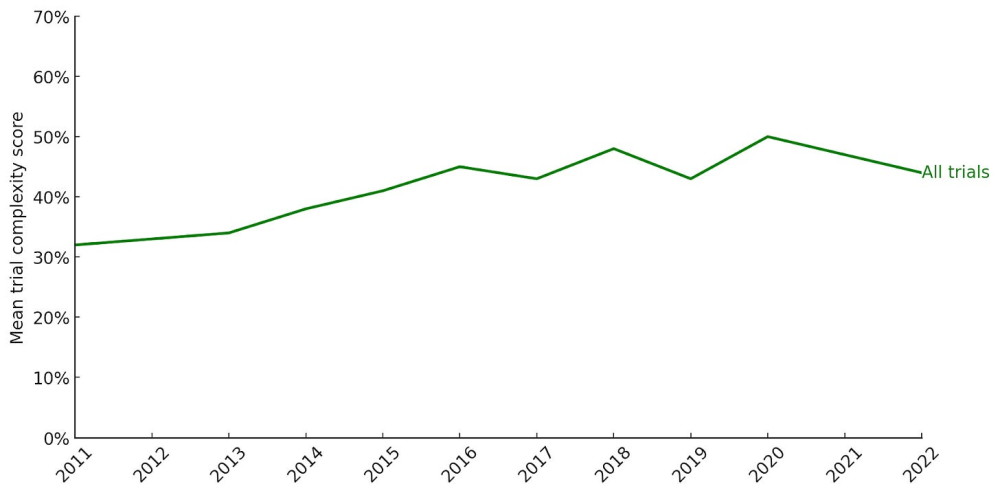
Today, clinical trials are longer and more data-heavy than a decade ago. At a time of regulatory rethinking, we trace how AI is beginning to orchestrate trial workflows.
To know whether a medicine works, we need to compare what happens when someone takes it to what happens when they don’t. That’s the core idea behind clinical trials. It’s old—texts as early as the biblical Book of Daniel (around 500 BCE) describes comparing diets across groups to assess health outcomes. But the most known first methodical attempt that resembles modern testing came in 1747.
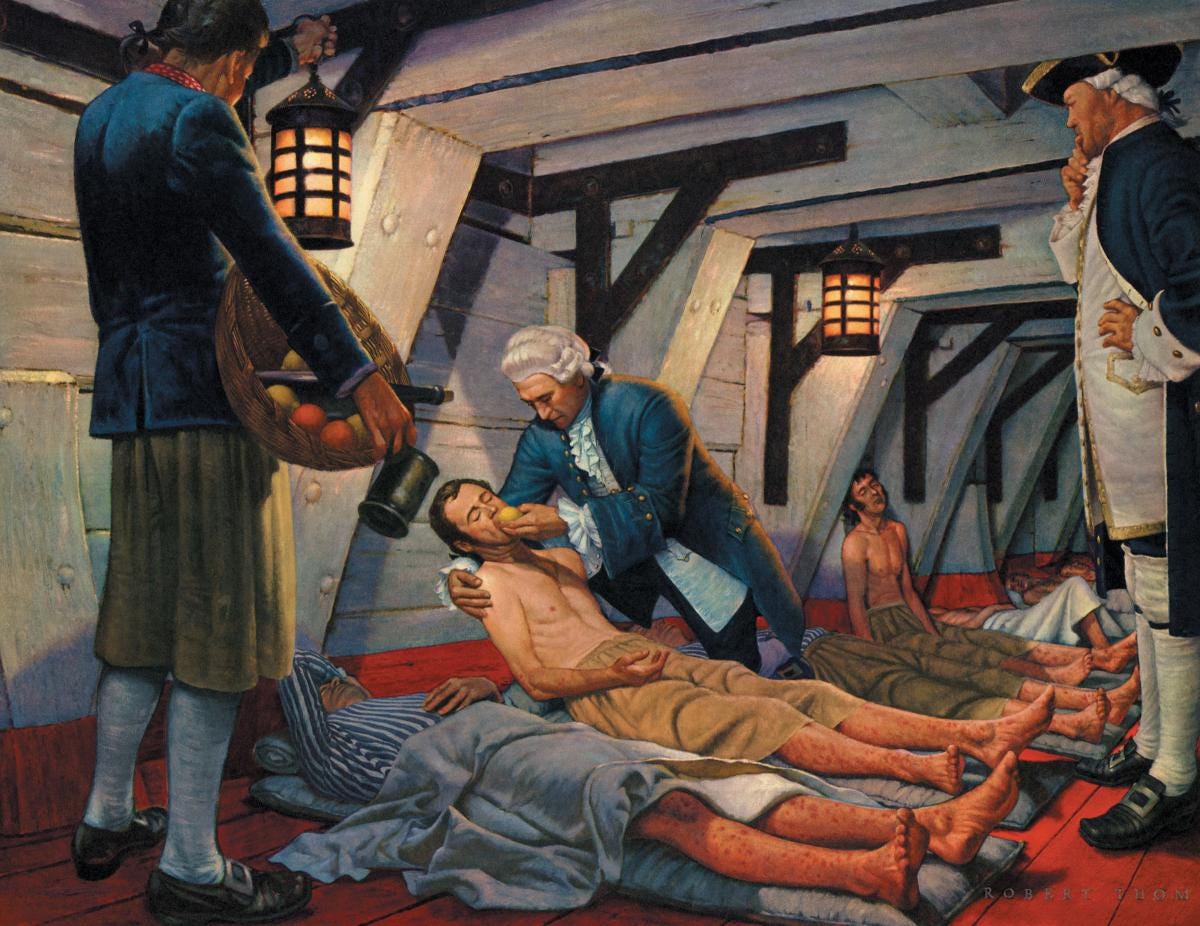
Aboard a British naval ship, surgeon James Lind tried giving sailors with scurvy different remedies and found that citrus made a difference. His experiment lacked many safeguards we now consider essential, but it introduced the core principle: isolate a variable, track the response.
To read the rest of this article, upgrade to a BiopharmaTrend Pro subscription.
Gain full access to all of our deep dives and content archives.